Video Podcast Production Planning | Masterly Studios
A polished video podcast does more than fill a content calendar. It signals to prospects, partners, and future hires that your brand takes its expertise seriously. This guide breaks down what video podcast production services actually include, where things typically go wrong, and how to evaluate whether professional support makes sense for your goals.
What "Video Podcast Production Services" Actually Mean Today
Video podcast production services for professional brands go well beyond pressing record. They encompass comprehensive services including pre production, production, and post production, managed as one integrated workflow. Effective video podcast production services can manage complex end-to-end workflows that most internal teams are not equipped to handle alone.
A modern video podcast company provides:
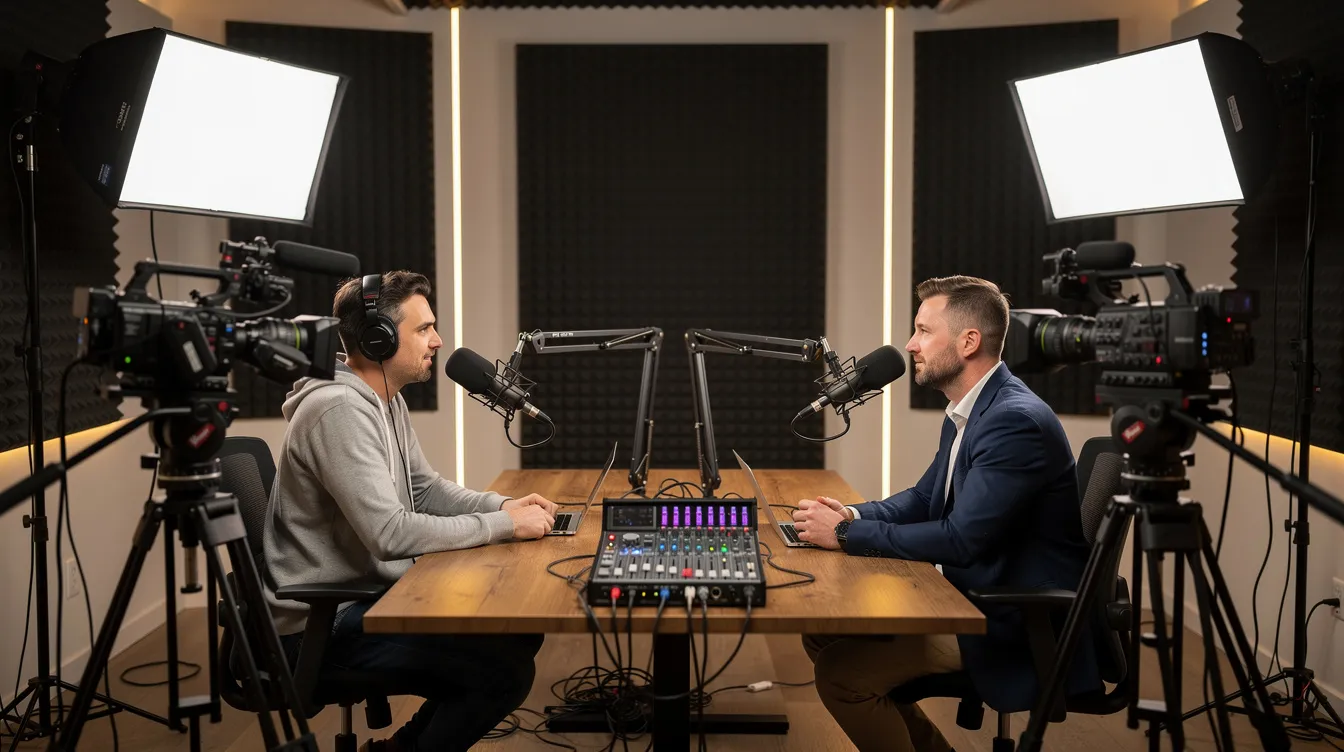
Multi-camera coverage with broadcast-level audio capture
Intentional set design, lighting, and branded backdrops
Structured episode planning and run-of-show documents
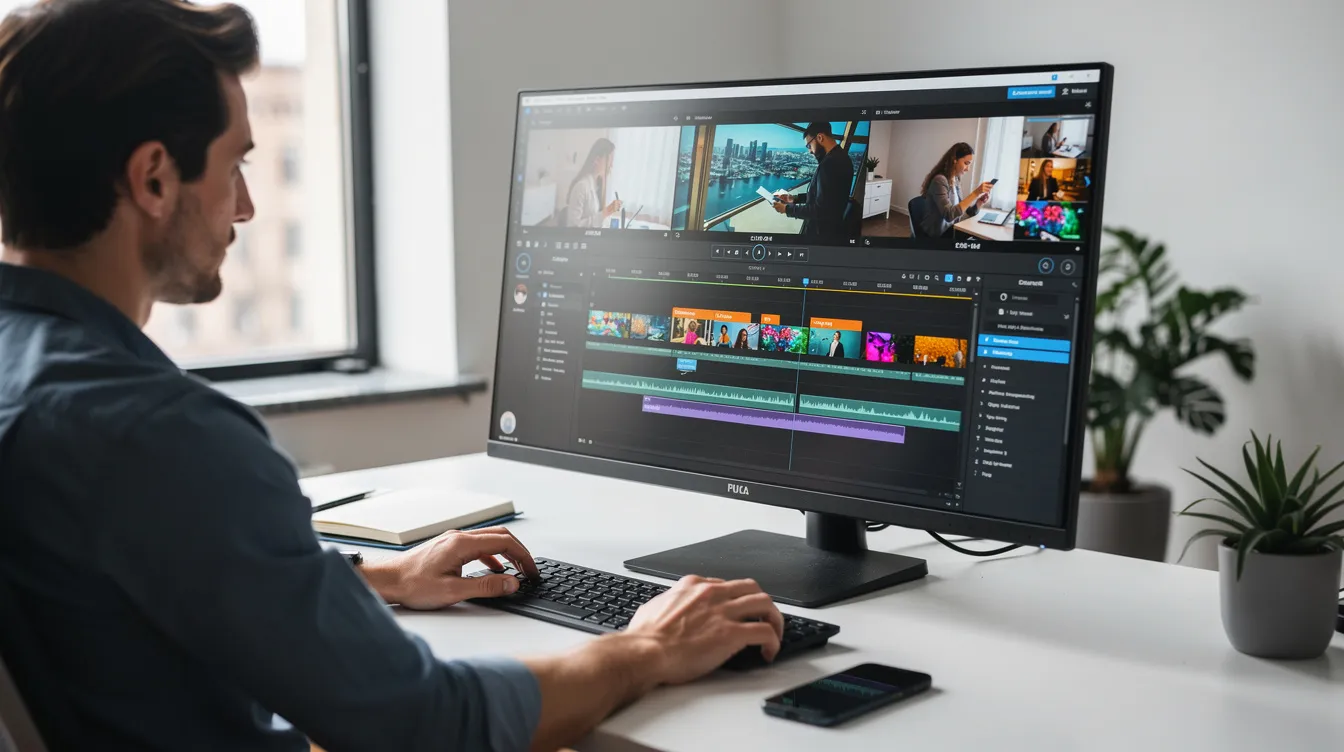
Full post production (multi-camera video editing, color correction, sound design, audio mixing)
Short-form clips and social media content repurposed from each recording
Distribution support across platforms like YouTube, Spotify, and Apple Podcasts
This is a different category than basic "record and upload" solutions that only host or lightly edit files. Video podcast agencies handle production from concept to post-production, covering every creative and technical touchpoint. Today, 170 million users watch video podcasts on Spotify, and YouTube reached one billion monthly podcast viewers by early 2025. Audiences now assume cameras, clean sound, and clear visuals as a baseline - not a bonus.
Masterly Podcasts operates as a specialist partner focused on making executives, founders, and subject-matter experts look and sound credible rather than improvised.
Why Video Podcasts Matter for Authority, Trust, and Deal Flow
Video podcasts help professional brands build authority in ways that audio alone cannot. Seeing a leader's face, hearing their voice, and watching how they think through a problem creates a level of trust that a blog post or white paper rarely matches. Video podcasts can enhance audience engagement and retention because they combine visual, verbal, and emotional cues into a single asset.
The data supports this shift:
YouTube is the number one platform for podcast listening, with 33% of weekly podcast listeners using it as their preferred platform
46% of podcast listeners prefer podcasts that include video
Video podcasts on Spotify grew 70% year-over-year in 2024, reflecting a clear audience migration toward visual formats
Decision-makers in B2B often "binge-watch" three to five podcast episodes before initiating contact, making consistent visual quality a pre-sales filter
One well-produced session can yield a full-length episode, an audio-only version for traditional directories, several LinkedIn and YouTube clips, and supporting material for sales conversations or webinar follow-up. That kind of content velocity turns a single recording into weeks of usable assets - feeding audience growth and business development at the same time.
This is not just a podcast anymore. It is a marketing strategy that compounds.
Core Components of a Credible Video Podcast (and Where Things Go Wrong)
Looking and sounding credible is the product of several disciplines working together. No single element carries the show - strategy, pre production, production, and post production must all align.
The major technical pillars include:
Camera coverage: single camera for solo segments, two-camera A/B setups for interviews, three-camera rigs for panels
Lighting: proper three-point lighting is essential for achieving professional visual quality - key light, fill light, and backlight working together
Audio: dedicated broadcast microphones per speaker, separate tracks, monitoring, and backup recorders
Framing and background: branded backdrops or clean environments that reinforce visual identity
Recording workflow: synchronized multi-camera and multi-track audio capture with redundancy
Common failure points in DIY setups erode credibility fast. Echoey conference rooms, mixed lighting color temperatures, laptop webcams at chin level, inconsistent volume between speakers, and lost recordings without backups all undermine the message. Audio quality is crucial for listener retention in video podcasts - a viewer will tolerate slightly imperfect video far longer than distorted or hollow sound. Clear professional audio is often more important than video quality.
Cover art, thumbnails, and show notes also belong in the production conversation, not just marketing, because they influence how episodes are discovered and judged at a glance.
Pre-Production: Designing a Show That Fits Your Brand and Audience
Pre production is where a show earns its credibility or loses it. This phase includes show concept development, positioning, episode planning, run-of-show structure, and guest preparation.
Strategic planning should align podcast strategies with business goals like brand awareness, deal acceleration, recruiting, or partnerships. Masterly Podcasts works with clients to define:
Target audience: North American SaaS buyers, mid-market CFOs, healthcare operations leaders, or other specific segments
Show strategy: naming, visual branding, set design choices, and tone (formal studio vs. conversational)
Episode structure: length (25–40 minutes is typical for B2B interviews), recurring segments, creative concepts that give the show a recognizable rhythm
Recording cadence: monthly, biweekly, or weekly schedule based on internal bandwidth and realistic approval cycles
Consistency in publishing schedule is necessary for maintaining audience engagement. Overambitious cadences lead to quality drops or abandoned seasons.
Guest workflows matter as much as technical prep. Briefing documents, talking points, tech checks for audio and video, and light coaching help non-media-trained executives feel comfortable on camera. Strong pre production reduces risk on recording day and simplifies everything downstream - from editing to clip selection to final delivery.
Production Day: Cameras, Lighting, and Audio That Inspire Confidence
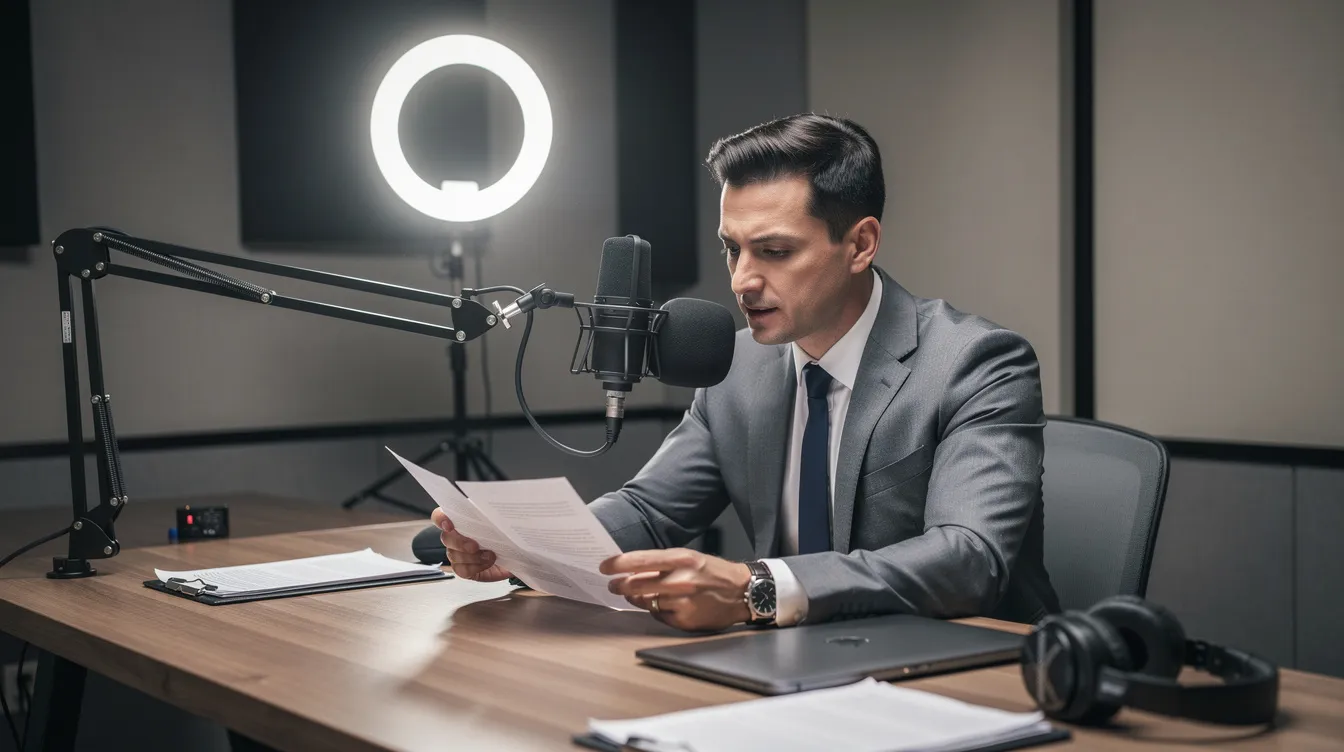
On recording day, a professional production team arrives with crew, sets up equipment, runs test shots, performs sound checks, and walks the host through rehearsal questions. The goal is to make every minute of executive time count.
Camera and capture details that define the session:
Single camera for solo or educational segments; two-camera for standard interviews; three-camera for panels or conversations with multiple guests
Video production can export content in 1080p or 4K resolution, which matters for cropping and reframing in post production and for short-form clips
Proper three-point lighting keeps subjects looking consistent across episodes and avoids the color casts created by mixing daylight with overhead fluorescents
Each speaker gets a dedicated dynamic microphone on a boom arm or stand, recorded to a separate audio track for maximum flexibility in editing
Technical support should cover in-studio and remote recordings including audio editing - remote recording services help produce clean podcasts from different locations when guests cannot be on-site
Backup recorders run simultaneously to prevent data loss from equipment failure
Masterly Podcasts structures sessions as blocked 60–90 minute windows that typically yield multiple episodes and a bank of short-form clips. This protects the schedule of busy leaders while maximizing the value of each session.
Post-Production: Editing Episodes Into a Professional Final Product
Post production is where raw video and raw audio become a polished, publish-ready asset. Post-production ensures video podcasts are polished and engaging before they reach an audience.
A typical post production workflow includes:
Ingesting video files and audio tracks, syncing multiple cameras and separate audio sources
Selecting best takes, tightening pacing by removing long pauses, tangents, filler words, and technical glitches
Adding intro and outro sequences, lower thirds with guest names and titles, logo bugs, and simple motion graphics or transitions
Video podcasts can include animations and B-roll for engagement, layered over talking-head footage to illustrate key points
High-quality editing maintains a natural and engaging flow so the final product feels conversational, not chopped
Technical tasks handled by a skilled editor or production team:
Loudness normalization to podcast standards (typically -16 LUFS for streaming)
Noise reduction for HVAC hum, room echo, or background interference
Color balancing and grading across camera angles for visual consistency
Post-production support involves advanced tasks like multi-track video editing and creating transcripts - 99% accurate .srt files are provided for video subtitles, supporting accessibility and silent autoplay
Rendering masters for YouTube, Spotify, Apple Podcasts, and other podcast platforms
Distribution support includes managing RSS feeds and publishing content to multiple platforms
Approval cycles protect executive time: a first cut goes to the client for review, timestamped feedback comes back, revisions are applied, and upload-ready files are delivered. This process is often the difference between something that feels home-made and a final product that reinforces a trusted brand.
Beyond the Episode: Short-Form Clips and Reusable Content Assets
Short-form clips are now a core outcome of podcast video production, not an afterthought. Many businesses launch a show expecting only full-length episodes and miss the highest-impact deliverable: bite-sized assets their team can actually use every week.
From a single recording session, a production partner can typically create:
One full-length video episode for YouTube and website embedding
One audio-only episode for Apple Podcasts, Spotify, and traditional directories
Three to ten vertical clips optimized for YouTube Shorts, Instagram Reels, or LinkedIn
A quote graphic set for social media
An episode summary or blog post draft with show notes
Clip selection should focus on moments that address clear problems, offer contrarian insights, or deliver quotable frameworks that align with the brand's positioning and funnel goals. Formatting details matter: vertical 9:16 for Shorts and Reels, square 1:1 for some social feeds, burned-in captions for autoplay without sound, and branded frames to maintain cover art consistency.
Video repurposing capabilities enhance promotional efforts by creating engaging clips that reach audiences who would never sit through a 30-minute episode. A good production partner helps maximize the value of recordings through branding and content repurposing across channels.
Internal use cases extend the life of each episode further: sales follow-up snippets, onboarding content, investor updates, or internal town hall highlights repurposed from the original podcast recording.
Risks, Tradeoffs, and When to Bring in a Video Podcast Production Company
Attempting to produce customer-facing video content with improvised setups carries measurable risk for professional brands:
Inconsistent quality across episodes signals instability - prospects notice when lighting, framing, or audio shifts between recordings
Schedule slip is common when production responsibilities fall on already-stretched internal teams
Poor audio distracts from the message and drives downloads down; 46% of podcast listeners prefer video, but they will leave if the sound is bad
No backup or redundancy means a single equipment failure can destroy a full session of executive time
Budget tradeoffs are real. Building in-house requires capital for cameras, lights, and audio interfaces plus ongoing personnel costs for a dedicated editor and producer. Partnering with a podcast production agency on a retainer or per-session basis distributes cost and provides access to specialized skill without long-term headcount commitments.
Concrete thresholds for bringing in a podcast production company:
Executives or clients appear on camera regularly
Episodes are customer-facing assets tied to growth marketing or pipeline
Your internal team spends more time troubleshooting than creating value
Brand reputation is at stake and consistency matters
A specialist video podcast company like Masterly Podcasts brings tested checklists, repeatable workflows, and editorial judgment that protect brand outcomes session after session.
How to Evaluate Video Podcast Production Services and Proposals
When evaluating a podcast production agency or podcast services provider, ask specific questions before signing anything:
Who owns the raw and edited video files after the engagement?
How many cameras and operators are included per session?
What is the revision policy, and how many rounds are standard?
What happens if a recording session fails, runs long, or a guest cancels?
What is the expected turnaround from recording to final episode delivery (7–14 days is a common benchmark)?
Key factors for choosing video podcast production services include portfolio and quality. Ask for examples of multi-camera episodes, before-and-after audio cleanup samples, and short-form clip reels produced for companies in similar industries. Industry experience is important for understanding the target audience and talk track of your specific market.
Choosing video podcast production services involves evaluating technical expertise and strategic understanding - not just price. Good service should assist with distribution and optimization on platforms like YouTube and Spotify, and the provider should demonstrate clear show strategy thinking, not just technical execution.
Pricing tiers should accommodate various production needs and budget considerations. Credible B2B-level video podcast production is typically an ongoing investment rather than a one-off expense. Cutting corners most often shows up in lighting, audio, or inconsistent post production - exactly the areas that erode trust.
Before seeking quotes, align internally on number of episodes per quarter, expected clip volume, involvement of your marketing or design team, and branding requirements. Evaluating visual and audio standards includes checking camera resolution and clean audio mixing in every sample you review.
Working With Masterly Podcasts: From Planning to Published Show
Masterly Podcasts approaches video podcast production services as a consultative process for professional brands - not a transactional one. The idea is simple: plan carefully, record efficiently, and produce content assets that your team can actually use to build authority and support pipeline.
A typical engagement follows this timeline:
Discovery and show design (first two to four weeks): define audience, show strategy, visual identity, and episode planning
Pilot recording and refinement: capture the first session, review the process, and adjust before committing to a recurring cadence
Recurring production: monthly or quarterly recording sessions with fully managed post production and clip creation
Each engagement includes pre production support, in-studio or on-location recording with multi-camera coverage and engineered audio, full post production, and delivery of reusable content assets. Masterly coordinates with in-house marketing and communications teams on asset delivery formats, brand guidelines, review and approval loops, and suggested publishing calendars.
The success of a show depends on the decisions made before anyone presses record. If your brand is ready to launch or refine an existing show, the next step is scoping what credible production looks like for your audience and your story.
Plan a video podcast production session. Contact Masterly Podcasts at (404) 726-7261 to scope your needs and start building a show worth watching.
